Every machined cut, every weld, every certificate.
One facility in Carson City, Nevada. Machining, welding, polishing, inspection, and assembly under one roof, since 1996. No offshored parts, no outsourced steps, no batch variability. Every valve ships with a Material Test Report tracing 316L chemistry back to the mill heat number.
Every operation. One building.
Machining, welding, finishing, inspection and assembly all happen on the Carson City floor. Nothing on this list is sent out.
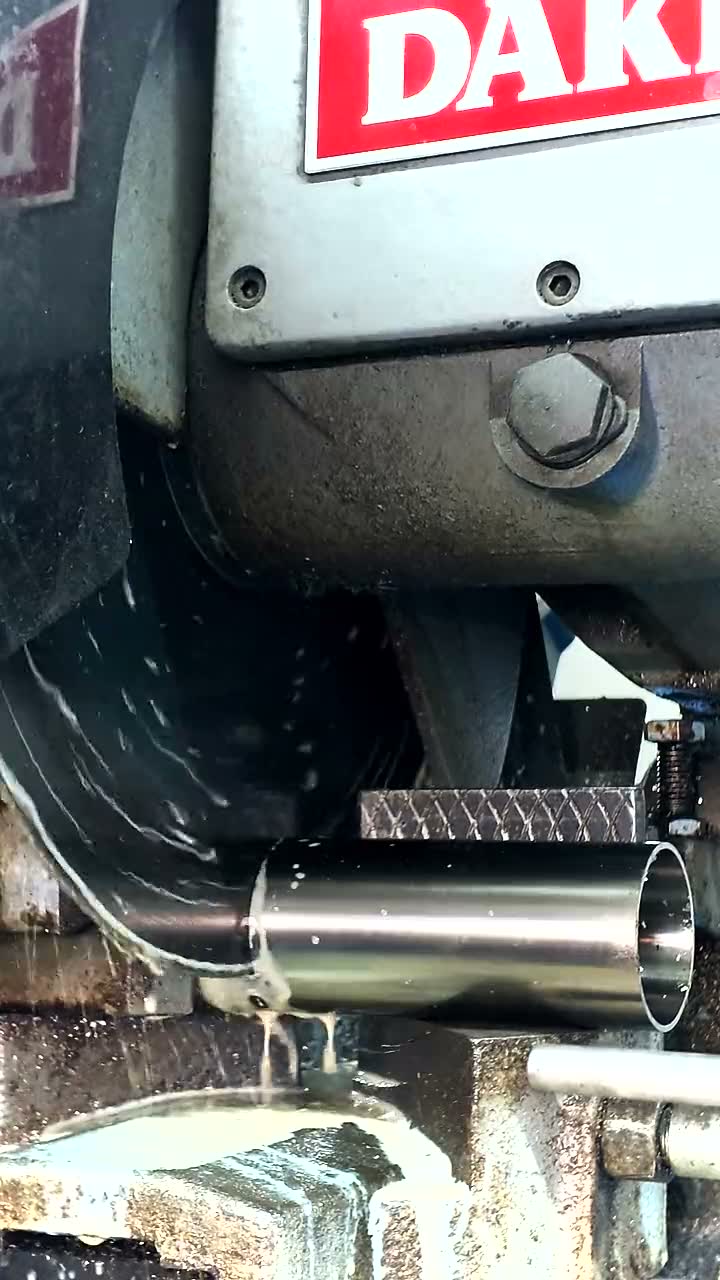
Cutting
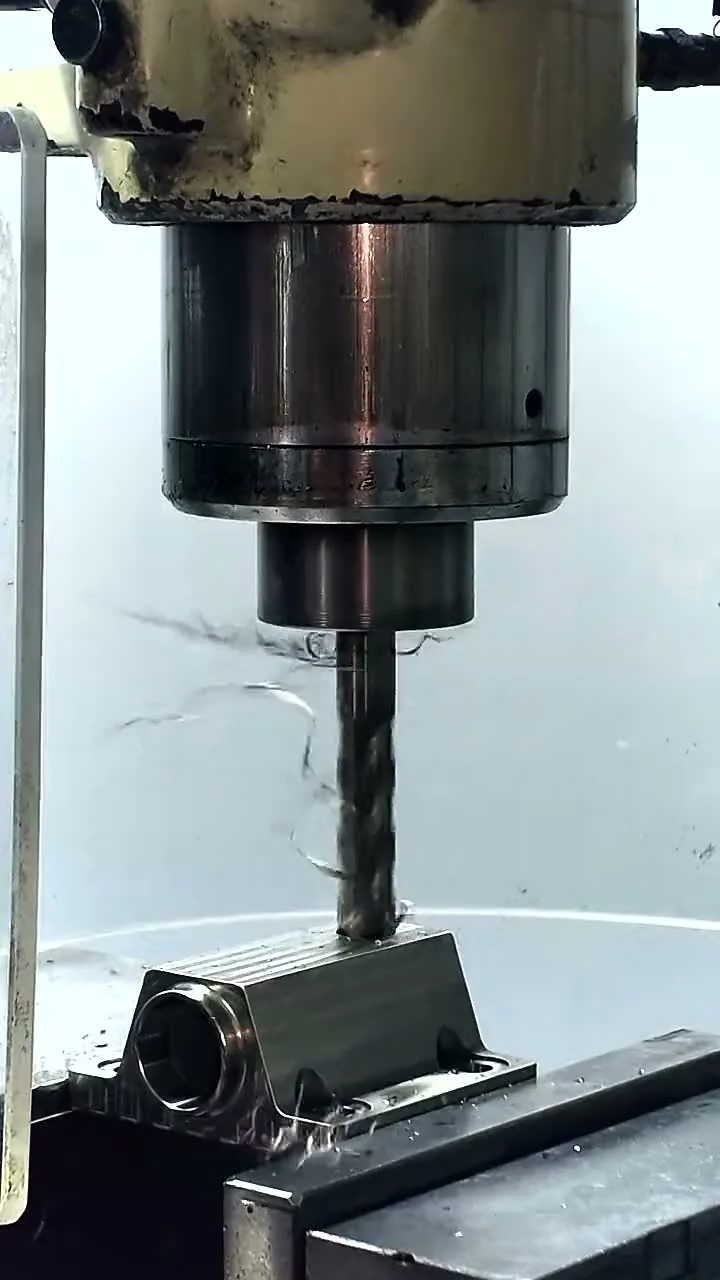
5-axis machining
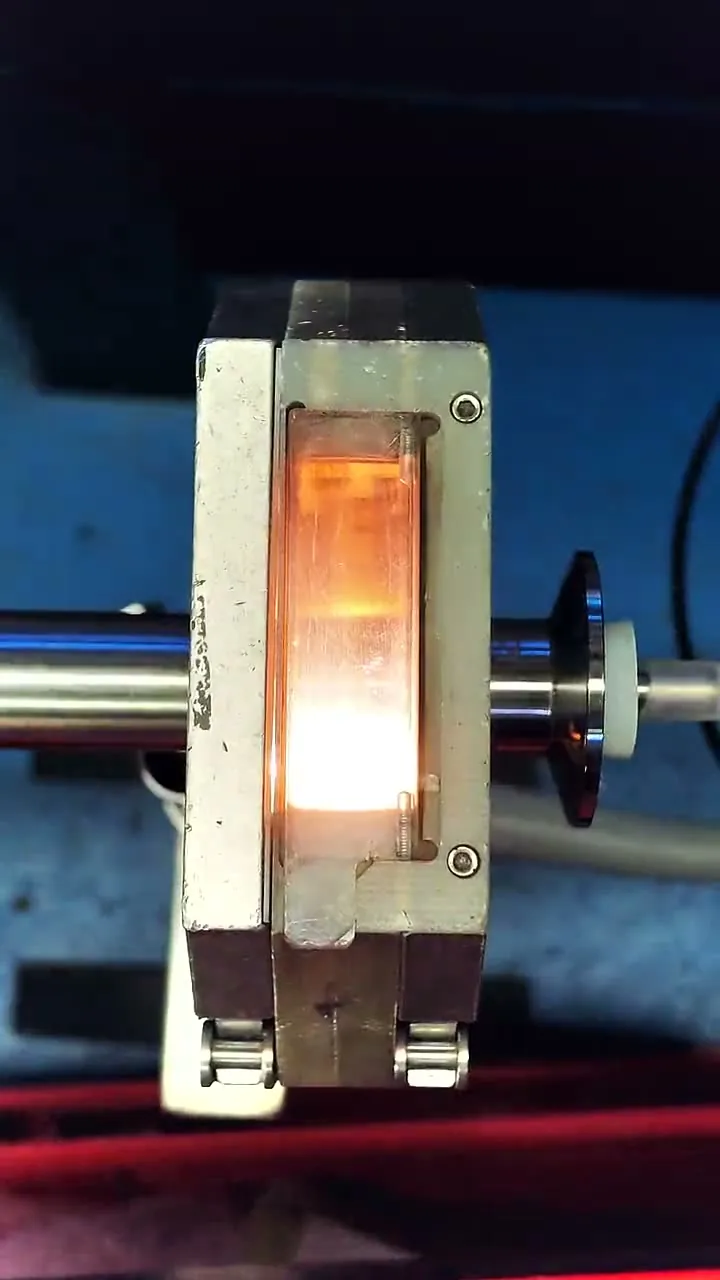
Orbital welding
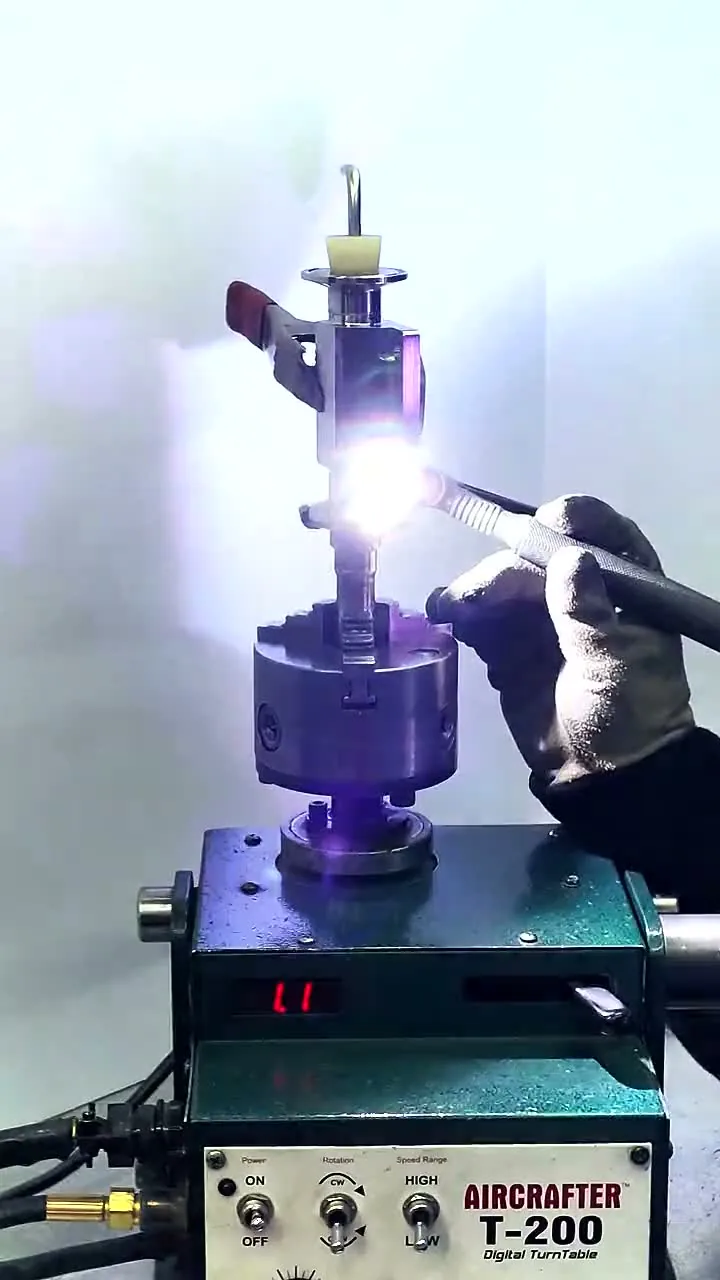
Hand welding
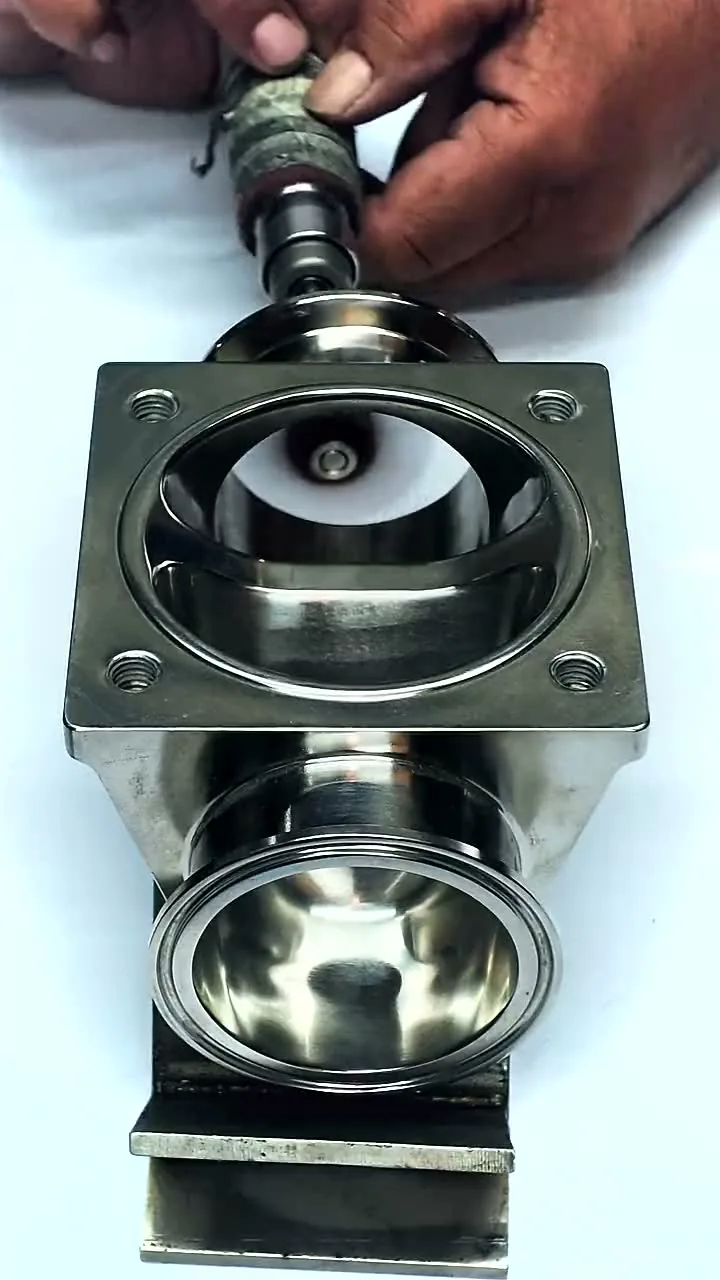
ID polishing
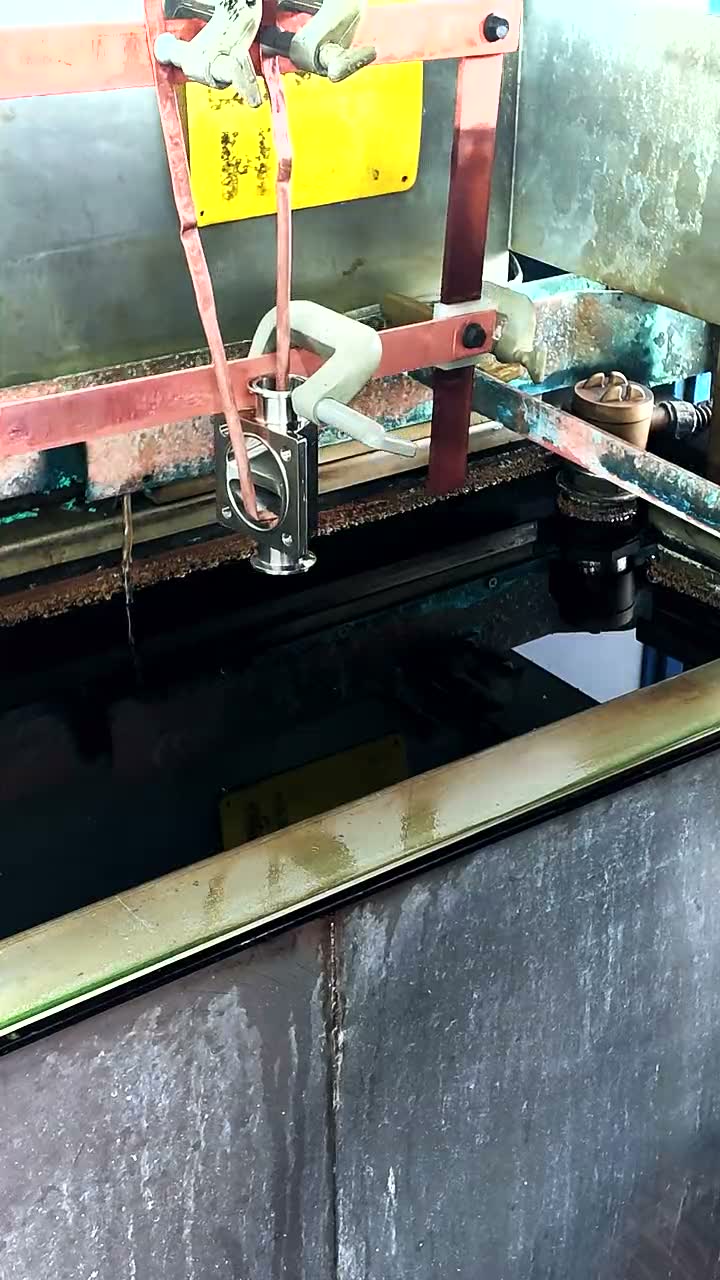
Electropolishing
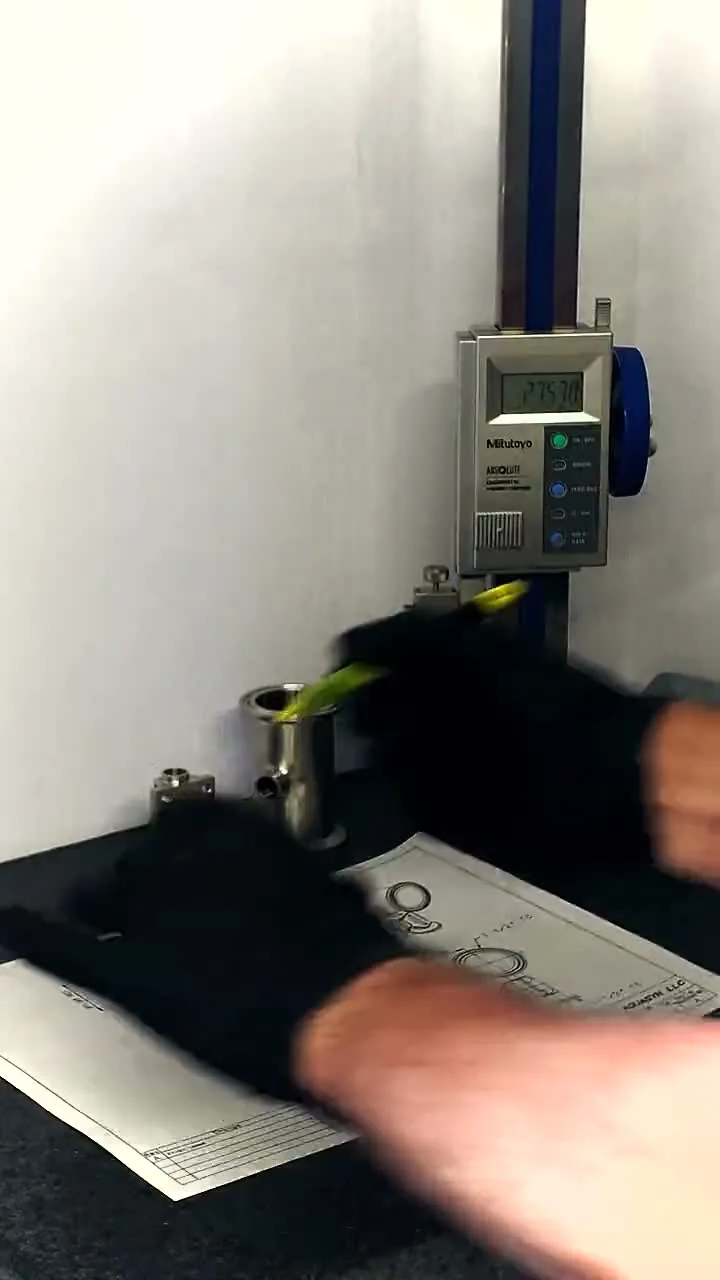
Quality inspection
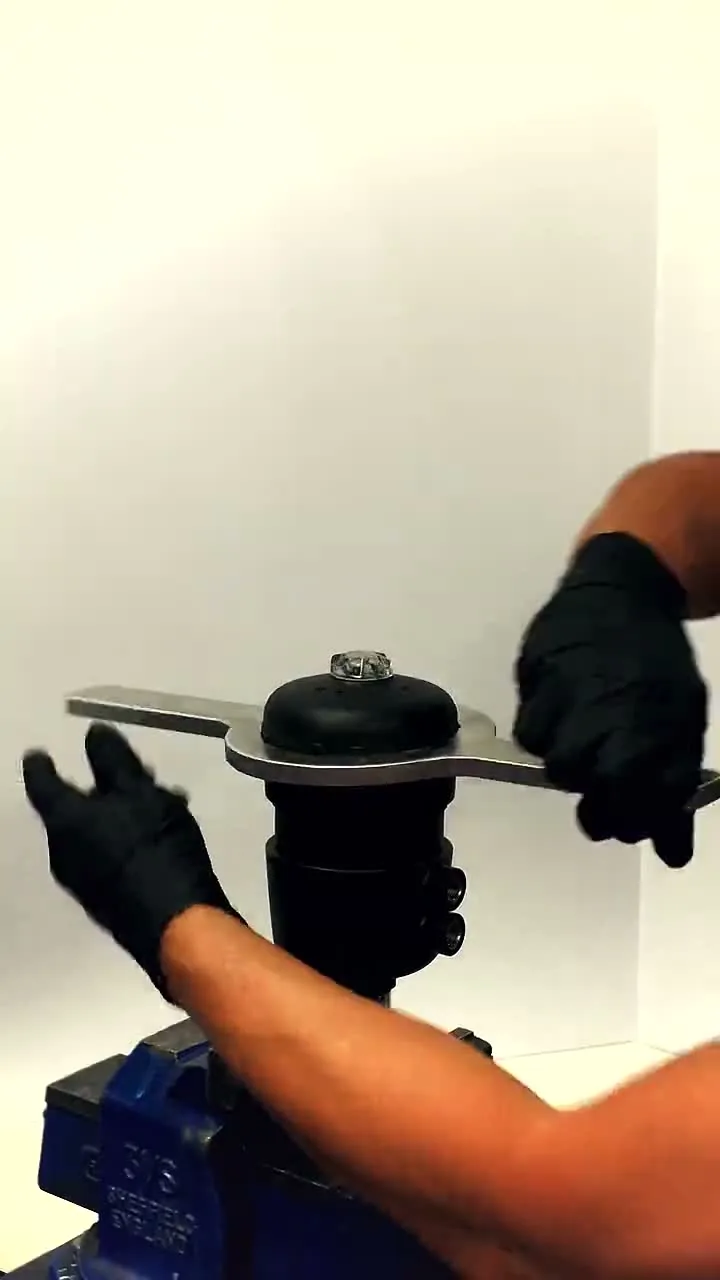
Actuator assembly
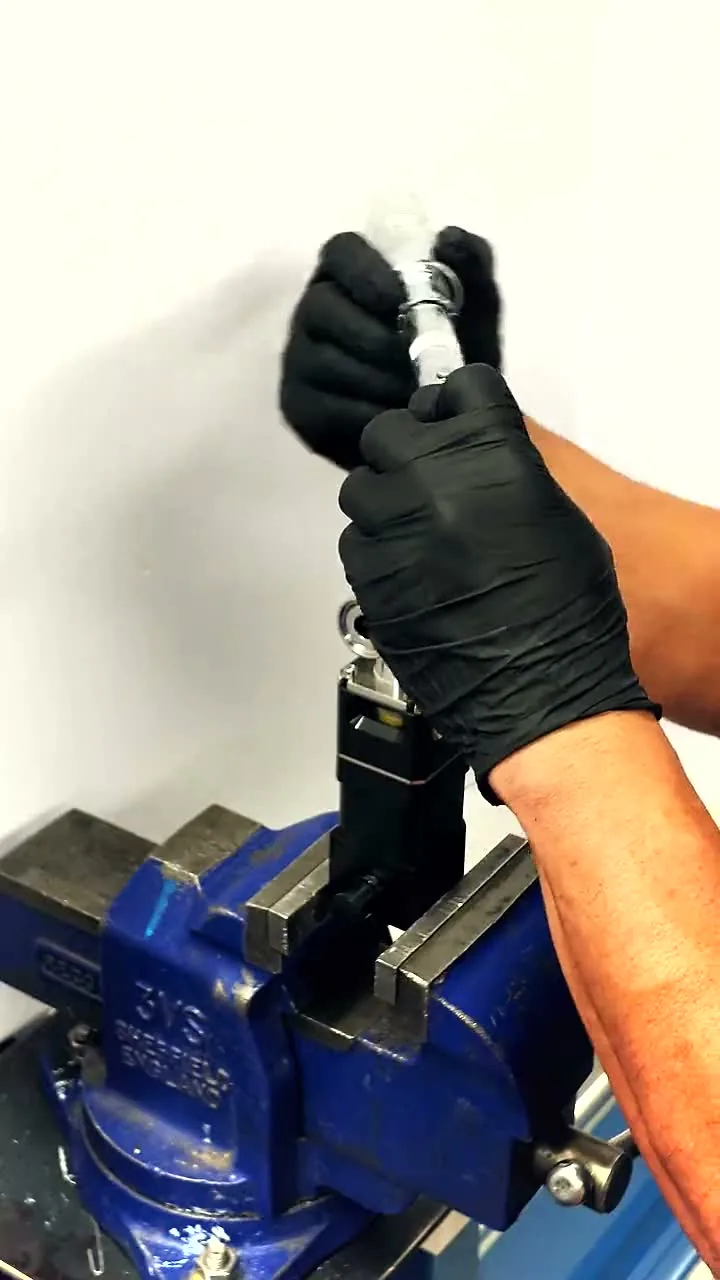
Valve assembly
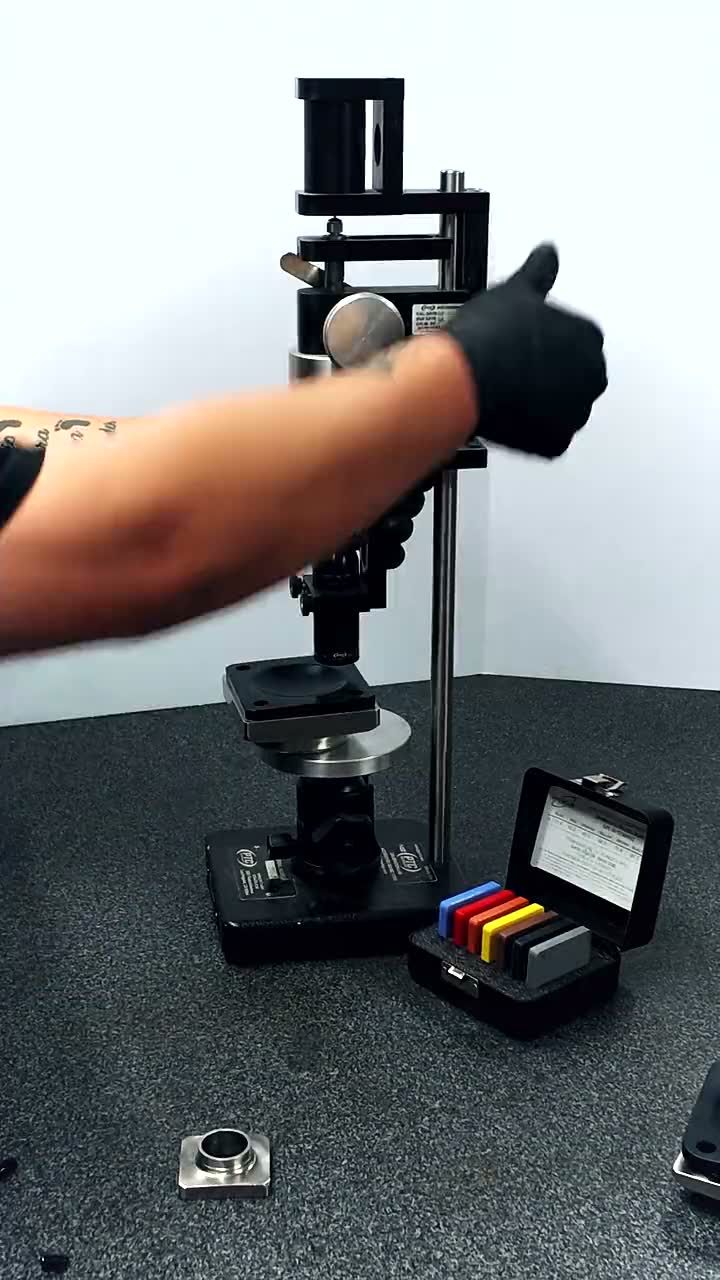
Diaphragm check
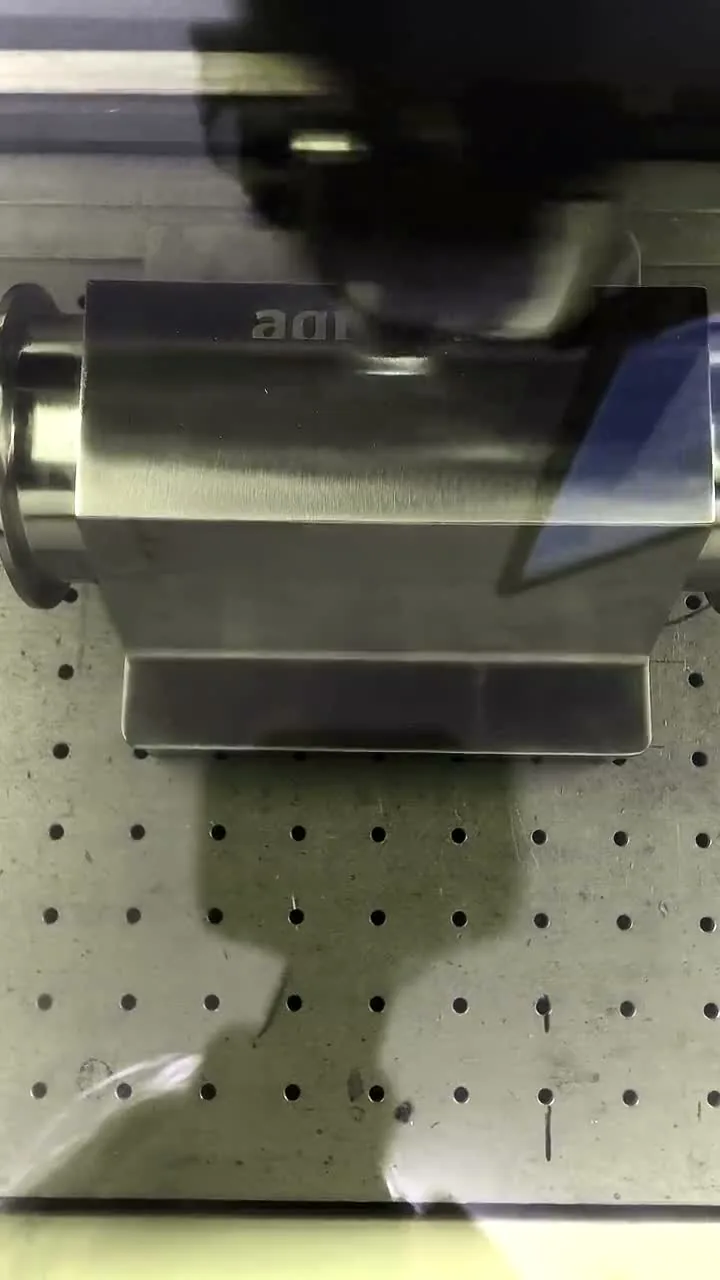
Laser engraving
Two things worth knowing. The outside diameter is polished twice, before and after the bore work, because welding and internal finishing both disturb the exterior. And the electropolish line is ours: most valve manufacturers send that operation out, which is where the weeks go.
The valve journey
The path an order actually takes through the Carson City shop. Two stages are conditional, and the outside diameter is finished twice.
-
01
Machine shop
Parts are located first. Anything not already on the shelf is machined from 316L bar stock on the five-axis centers.
if the part is not already in stock -
02
Washing
Every machined part is washed before it goes anywhere near the weld bay.
-
03
Welding
Components are joined. Each weld is recorded on the weld map, and the filler rod carries its own certificate.
-
04
OD polishing
Outside diameter first, while the bore is still accessible from both ends.
pass 1 of 2 -
05
ID polishing
The product-contact surface. This is the one the Ra number on your order refers to.
-
06
Back to OD
A return pass on the outside. Welding and ID work both disturb the exterior finish, so the OD is brought back at the end rather than once at the start.
pass 2 of 2 -
07
Washing, then electropolish
Washed again, then electropolished in house if the finish specification calls for it. Very few valve manufacturers run their own EP line.
EP only if the finish calls for it -
08
QC, assembly, documentation
Inspection, final assembly, and the paperwork compiled into one pack: material test report, weld map, profilometer readings, passivation and certificate of conformity.
Why it doubles back. Welding and internal finishing both disturb the exterior, so the outside diameter is brought back at the end rather than polished once at the start. A part already on the shelf skips stage one, and electropolishing happens only where the finish specification calls for it.
Concept to drawing to part.
Aquasyn engineers work in SolidWorks, AutoCAD, and NX. For custom assemblies · manifolds, dip tubes, block-body diverters, CPM pressure manifolds, hose racks, carboy carts, filter housings, spargers, bioreactor and tank spargers · drawings go to the customer for review and approval before a single piece of stock is committed. CFD analysis is available on request for flow-critical geometries: manifold pressure balancing, dead-leg minimization on point-of-use branches, closure dynamics on multi-port bodies. Concept-to-drawing turnaround is measured in days for standard custom work, not weeks.
Send us the sketch. Plenty of custom work starts as a hand drawing from a plant engineer or a distributor. That is a perfectly good input · our engineers turn it into a dimensioned drawing, send it back for sign-off, and build from the approved version. If it is easier to talk it through, we will get on a call and put the model on screen live, rotate it, and mark up changes while you watch rather than trading revisions by email for a week.
Engineering on the same floor as the machines, who owns the patents, and the exotic-alloy route
The engineering team sits on the same floor as the machines. A drawing question doesn't route through a service ticket queue · it walks over to the shop and gets resolved in the language of the machinist who has to make the part. When a customer's process changes and they need a revision, the loop between the sales engineer, the design team, and the CNC operator closes in the same building. This is why Aquasyn's custom-fabrication turnaround holds against much larger integrators who route the same work through offshore engineering desks.
The engineering group also owns Aquasyn's four patented and proprietary technologies and maintains the design library that keeps every custom variant compatible with the standard bonnet, actuation, and diaphragm choices across the line. When a customer specs a custom body geometry, the design team makes sure it accepts standard Aquasyn bonnets, standard diaphragms, and standard manual / pneumatic / eMaxion™ electric actuators. Custom bodies with standard interfaces means the customer's spare-parts inventory stays sensibly sized.
Standard hygienic body material is 316L. When the process chemistry calls for something exotic, the engineering team reviews the material selection with the customer up front and specifies the alloy in the drawing. Documentation for the exotic material · the ASTM standard, the mill certificate, the MTR · is prepared during design so it ships with the finished assembly.
- SolidWorks · 3D CAD
- AutoCAD · 2D drawings
- NX · complex geometries
- CFD · on request
- Days · concept-to-draft turn
- Standard interfaces on custom bodies
- Patent library · 4 owned mechanisms
- Customer approval · drawing sign-off before build
Beyond 316L. Hastelloy, AL-6XN.
Standard hygienic body material is 316L austenitic stainless. When the process chemistry says otherwise · aggressive acids, high chloride, high-purity ambient with corrosion sensitivity, salt-heavy vaccine adjuvant chemistry · Aquasyn machines from Hastelloy® C-22 (ASTM B574) or AL-6XN® (ASTM B675). Same shop, same tolerances, same MTR trail. Custom alloys are available on customer specification.
Exotic material work is a specialty, not an exception. Aquasyn's custom engineering team routinely takes on assemblies where the wetted body needs to survive chemistries where 316L would eventually rouge or pit. On specialty-chemistry lines, Hastelloy is the default choice for aggressive halide service. On high-purity water and pharmaceutical process, AL-6XN handles chlorides that stress 316L.
Where the exotic bar stock comes from, and why the interfaces stay standard
Sourcing matters as much as machining. Exotic bar stock comes from US mills where the mill certificate is auditable and the material provenance is unambiguous · not from a broker with a promise of traceability that dissolves under scrutiny. Every exotic-alloy valve ships with its ASTM-standard MTR referencing the specific standard (B574 for Hastelloy, B675 for AL-6XN), the mill heat number, and the chemistry.
Exotic-alloy diaphragm valves accept the same standard Aquasyn interfaces: Tork-Tite® feet on the bonnet, standard actuation choices (manual, pneumatic, eMaxion™ electric), and standard diaphragm compounds. The customer's spare-parts inventory stays the same regardless of body alloy. Multi-port and block-body assemblies in exotic materials are available on custom order · this is where a lot of Aquasyn's exotic-alloy work lives.
- 316L stainless · standard · ASTM A479
- Hastelloy® C-22 · ASTM B574
- AL-6XN® · ASTM B675
- Custom alloys · on customer spec
- US-mill sourced · auditable
- MTR · per alloy standard
- Standard interfaces · on exotic bodies
5-axis CNC. 316L bar stock.
Every Aquasyn valve body starts as 316L austenitic stainless steel bar stock and finishes on the CNC floor in Carson City. Five-axis machining centers handle the complex hygienic geometries · weir profiles, integral sealing ridges, drain-optimized bodies, multi-port and block-body assemblies · in one setup, to ±0.005″ standard tolerances. Diaphragm valve bodies ship in sizes ⅛″ through 4″; tank bottom valve bodies in ¼″ through 4″ in both Welded Flange and Tri-Tank styles. Welded Flange is also available in Hastelloy, AL6XN and Titanium.
Machined from bar stock. The Aquasyn mainline is 316L bar · documented chemistry, no interior voids, and a heat number that follows the part through the process. This is the material-integrity foundation the hygienic line is built on.
Stocked sub-assemblies, why the lead times hold, and the two patented features cut in the same pass
The shop keeps commonly ordered sub-assemblies in stocked inventory · standard bonnets, common body sizes, high-runner diaphragm compounds (EPDM, PTFE-faced/EPDM · TFM 1700) · so the machining floor stays committed to what's on the current PO instead of playing catch-up on staples. Standard-order turnaround is typically shorter than industry-common lead times because the platform is stocked at the sub-assembly level, not just the raw-material level.
Why the lead times hold. Three things compound. The stock is already here, so an order does not start with a mill wait. Machining, welding, polishing, electropolishing, passivation, and assembly all happen in one building, so nothing queues behind a courier or a subcontractor's schedule. And because the whole process is under one roof, a slip in one step gets absorbed in the next rather than resetting the clock. Broad-line vendors that outsource finishing or hold only raw material carry every one of those handoffs in their quoted lead time.
Two of Aquasyn's four proprietary mechanisms · the Integral Sealing Ridge and Tork-Tite® Feet · are machined directly into and onto the body in the same 5-axis pass. The sealing ring is machined into the body, not bolted on: zero entrapment at the seal interface, repeatable flow without seal drift, longer diaphragm life. The Tork-Tite feet on the bonnet corners match the weir profile to a single-thousandth-inch tolerance, giving a hard physical stop when the valve is tightened. This eliminates over-compression damage on EPDM and PTFE diaphragms.
- 5-axis CNC machining centers
- 316L bar stock · standard body material
- ±0.005″ standard tolerance
- Sizes ⅛″ – 4″ · standard diaphragm
- Sizes ¼″ – 4″ · Welded Flange tank bottom
- 10 bar / 145 PSI · standard body rating
- Stocked components · rapid turnaround
- Integral Sealing Ridge · machined in body
- Tork-Tite® Feet · same 5-axis pass
- Bar-stock mainline · documented chemistry
Orbital weld. Traceable to the welder.
Orbital welding cells and skilled hand welders handle every joint in-house. Orbital heads run the tube joints, where a closed head and a logged cycle give the same weld every time. Complex assemblies go to a hand welder, because a head cannot clamp onto a multi-port body or a tank-bottom internal.
Every weld is tagged to the welder who ran it and logged with cycle parameters. Weld maps travel with the assembly, and the filler rod carries its own certificate. This matters at audit · a validated line's inspector will chase a joint back to the person who made it, and documentation with gaps is documentation that doesn't ship.
What welder identification actually buys you
The welder-identifier system means every weld is traceable to a named person, not a shift or a team. When a joint is questioned two years after commissioning, the answer is a name and a set of cycle parameters rather than a date range. Most hygienic valve makers can tell you which week a weld was made. Fewer can tell you who made it.
- Orbital welding · tube joints
- Hand welding · complex assemblies
- Weld maps · per assembly
- Welder ID · traceable
- Cycle parameters · logged
- Filler rod · certified
Polish bay. 25Ra down to 5Ra.
Post-weld, the polish bay runs mechanical and electropolished finishes from 25Ra down to 5Ra on request. Passivation follows in the same building, on the same shift, tracked to the same lot record. Every finish level maps to a specific standard surface-finish grade (10Ra EP, 15Ra EP, 20Ra EP, 25Ra EP, plus the mechanical equivalents at each Ra tier) and 5Ra is available on request for critical service, which corresponds to ASME BPE SF5.
Nothing leaves the floor for finishing. Owning an electropolish line is rarer than the industry's marketing suggests · most hygienic valve makers send bodies out for EP and get them back with a certificate and a gap in the chain of custody. Aquasyn runs it in Carson City, which is why finishing sits inside the lead time instead of adding a shipping leg to it. Passivation and electropolishing are documented and repeatable, not outsourced steps that arrive back with a paper certificate and no chain of custody.
Interior polishing on complex geometries, and what a profilometer reading is worth
Interior polishing on complex geometries · multi-port bodies, tank bottom internals, block-body diverters, Zero Static Tee bodies · uses purpose-built fixtures we’ve refined over three decades. This is the reason drain angles read cleanly on gauge and Ra readings on the profilometer land on target the first time. Aquasyn publishes drain angles per nominal size (¼″=41°, ⅜″=30°, ½″=25°, ¾″=18°, 1″=30°, 1½″=25°, 2″=23°) with drain alignment marks etched on every end connection so the installer can verify orientation visually rather than measure.
The profilometer readings ship with the valve when the customer specifies them · Aquasyn doesn’t ask what Ra you want and hope you don’t check. If the reading is 12Ra when the spec was 15Ra, the paperwork says so.
- 25Ra to 5Ra range
- Mechanical + EP finishes
- ID polishing · product contact
- Passivation · in-house
- ASME BPE · SF standards
- Etched drain marks · every body
- Profilometer readings on request
Electropolishing. Current, not abrasive.
It is an electrochemical finish, not a mechanical one. Parts go onto the copper busbar, down into the electrolyte, and current strips a controlled layer off the surface. It takes the peaks first, so what comes out is smoother and more passive than the same Ra reached by belt alone.
That matters where product touches metal. A passive surface resists rouging and cleans faster, which is why the finish specification on a biopharm line so often calls for EP rather than a mechanical polish at the same number.
Very few valve manufacturers run their own line. Ours is here, next to the weir polishing bay, so an electropolished finish does not add weeks to a delivery date or queue behind a subcontractor’s schedule.
Domestic assembly. Functional test.
Every Aquasyn valve · standard or custom, single body or complex block assembly · is assembled in Carson City by the same team that welded and polished the components. Functional testing on the completed valve is standard. Torque tests, cycle tests, seat leakage tests, and hydrostatic pressure tests are documented per the order's spec. Standard diaphragm valves are rated to 10 bar (145 PSI) on ¼″ to 2″ manual bodies and 7 bar (101 PSI) on 2½″ to 4″. ARTēVA® pinch valves are rated to 4 bar (manual and pneumatic) or 6 bar (eMaxion™ electric variant) at 87 PSI, with 10,000+ cycle life on the central-pinch design.
Diaphragm durability is verified independently. Aquasyn's EPDM and PTFE diaphragms were put through simulated steam-in-place cycling by an independent third-party laboratory, following the protocol in ASME BPE (2022) Appendix K-1.2.1: saturated steam at 130°C (266°F) and 3 bar (43.5 psi), a one-hour exposure per cycle, 30 open-and-close actuations at SIP temperature, then a cold-water flush to 25°C. Five hundred cycles in total, with samples pulled and seal-tested at thirteen intervals from zero through 500 hours.
The 39-sample SIP result, what is never drop-shipped, and custom acceptance criteria
Thirty-nine samples of each compound were tested. All thirty-nine passed, in both materials, with cleanability at 500 hours unchanged from the start. That is a documented durability envelope from an outside lab rather than an in-house claim, and it is available on request for qualification packages.
Nothing is drop-shipped from an outside integrator. Multi-port assemblies, block-body diverters, sample bottle assemblies, CPM manifolds, dip tubes, filter housings, and custom fabrication capabilities all get built in the same building. Project management sits with the sales engineer who took the order · the customer's contact is the same person from PO through shipment. For international customers, the Business Development team (Mitch Mitchell global, Doug Mid USA, Pedro South America) is the direct point of contact and stays involved through the build cycle.
For custom assemblies where the customer specifies acceptance criteria · leakage under specific pressures, position accuracy on eMaxion™ electric actuators (± 0.05 bar modulation on the pinch line), cycle life on high-service ARTēVA® pinch heads · the test protocol is agreed at the drawing-review stage and the results ship in the documentation pack. Continuous-manufacturing customers routinely run ARTēVA® pinch valves in 3-day-plus campaigns; the test regime validates the pinch mechanism for that duty before shipment.
Aquasyn's actuator platform is engineered so one eMaxion actuator fits the diaphragm valve line, the ARTēVA® pinch line, and Alphinity's VannX single-use diaphragm valve. When a customer specifies eMaxion on any of the three, the interface is common. This simplifies the customer's automation stack, the calibration workflow, and the on-line spares inventory.
- Assembly · in Carson City
- Torque test · every valve
- Seat leakage · per spec
- Hydrostatic · on order
- Cycle life · 10,000+ diaphragm
- 10 bar / 145 PSI · standard body
- ARTēVA® · 4–6 bar rating
- PM · one contact PO to ship
MTRs standard. Weld maps included.
Every Aquasyn valve ships with a Material Test Report (MTR) tracing 316L chemistry back to the mill heat number. Not on request. Not extra-cost. Standard. The MTR default is EN 10204 3.1 (not 2.2). Certificates of Conformance, weld logs, weld maps, profilometer readings, and passivation certificates are available on any order and land in the customer's documentation pack automatically for orders where they're specified. FDA letters, USP Class VI certificates, and surface-finish certificates ship in the same pack.
The documentation pack is why Aquasyn ends up on the audit-trail-critical spec. When a QA specifier at a biopharm site pulls a valve off the shelf during a batch record review, the paperwork tells them where the metal came from, who welded it, what the surface finish measured, and what passivation protocol ran on it. Not a marketing claim · a chain of custody. FDA-regulated sites, ASME BPE-validated lines, and GMP-audited plants all specify Aquasyn for the same reason: the paper trail holds up under scrutiny.
The four diaphragm certifications, and borescoping on critical interior geometry
Aquasyn diaphragms carry the four certifications that matter for high-purity elastomer service: USP Class VI, FDA 21 CFR 177.2600, ASME BPE, and EN 10204 3.1 MTR. Each is documented on the certificate that ships with the diaphragm. When a diaphragm ships as a replacement part rather than pre-installed, the paperwork ships with it. The same is true for exotic-material valves: Hastelloy C-22 traceable to ASTM B574 and AL-6XN to ASTM B675.
Borescoping on interior finishes is available on request for critical service, particularly on Zero Static Tee bodies and Point-of-Use valves where the interior geometry is the reason for the spec in the first place. Every claim on the certificate can be traced back to a specific instrument reading, a specific date, a specific inspector. Aquasyn has been running this documentation system since well before ASME BPE existed as a formal standard · it is not a bolt-on for the current market, it is how the shop has always run.
- MTR · EN 10204 3.1 default
- Heat number · every lot
- CoC on request
- Weld log + map for assemblies
- Profilometer readings on request
- Passivation cert available
- USP Class VI cert on diaphragms
- FDA 21 CFR 177.2600 compliance
- Borescoping on critical service
- Welder identification per weld

What most valve manufacturers outsource, Aquasyn does in-house.
Hygienic-valve manufacturing has spread across geographies as broad-line vendors pushed steps to lower-cost regions. Aquasyn kept every step in Carson City. That is the moat behind the MTR.
Four proprietary mechanisms · developed in the shop.
The four engineered technologies at the core of every Aquasyn valve. Each one prototyped, fielded, and refined in the Carson City workshop over the last three decades. Not marketing decoration. Each solves a specific failure mode in hygienic process where the industry-adapted alternative falls short.
Tork-Tite® Feet
Precision-machined bonnet feet. Hard physical stop on tightening. Fixed compression, zero-leakage closure, less than one turn open to closed. Same closure force cycle after cycle.
Integral Sealing Ridge
Sealing ring machined into the valve body in a single 5-axis pass. Zero entrapment. Longer diaphragm life. The diaphragm flexes, the body seals.
Valbow®
Integrated valve-and-elbow. One body, one seal, one weld eliminated. Standard on every Sample Bottle Assembly and specified into tight-clearance skid layouts.
eMaxion™ Actuator
24V DC direct-drive electric actuator. Encoder feedback, M12 connectors, IP65 protection. Fits Aquasyn diaphragm, ARTēVA® pinch, and Alphinity VannX single-use valves.
Certifications that ship with every valve.
Aquasyn manufactures to the hygienic standards biopharm, pharmaceutical, and specialty-chem specifiers require. Each shipment's documentation pack carries the specific certificates that apply to the order · certifications live once, on this page and the catalog reference page, not repeated on every product page.
ASME BPE
The American Society of Mechanical Engineers Bioprocessing Equipment standard. Governs hygienic geometry, surface finish, weld quality, drainability, and material provenance. Aquasyn valves, fittings, and assemblies are ASME BPE compliant by design.
USP Class VI
United States Pharmacopeia biocompatibility class for materials in contact with pharmaceutical fluids. Aquasyn diaphragms are USP Class VI compliant. Certificate ships with every diaphragm order.
FDA 21 CFR 177.2600
US Food and Drug Administration regulation on rubber articles intended for repeated use in contact with food. Aquasyn diaphragms comply. Applies to food, beverage, dairy, brewing, and pharmaceutical service.
3-A Sanitary Standards
Voluntary standard for the design and fabrication of hygienic equipment in dairy, food, and beverage. Aquasyn valves specified for these industries carry the applicable 3-A authorization.
EN 10204 3.1 MTR
European standard for inspection documents on metallic products. 3.1 MTRs are issued by the manufacturer's independent quality department and traceable to the mill heat number. Default on every Aquasyn valve · not 2.2, not on request.
Exotic-alloy standards
Hastelloy® C-22 to ASTM B574. AL-6XN® to ASTM B675. 316L base material to ASTM A479. Each exotic-alloy shipment carries the specific ASTM MTR.
Aquasyn valves at the Smithsonian.
Aquasyn glass sampling bottles and sample valves were featured in the National Museum of American History's "Birth of Biotech" exhibit in 2013 and 2014. The artifacts documented the role of hygienic sample-valve engineering in the emergence of the biopharmaceutical industry.
National Museum of American History · Smithsonian InstitutionQuestions specifying engineers keep asking.
Direct answers to the questions Aquasyn's business-development and engineering teams get most often on procurement calls, specification reviews, and audit walkthroughs.
Where does Aquasyn manufacture its hygienic valves?
Does Aquasyn machine from bar stock or castings?
Does Aquasyn ship material test reports with valves?
What surface finish ranges does Aquasyn offer?
What is ASME BPE and does Aquasyn comply?
What exotic materials does Aquasyn machine?
What is the cycle life of an Aquasyn diaphragm valve?
What is a Tork-Tite® Feet mechanism?
What is the Integral Sealing Ridge?
What is the Valbow® valve?
What actuation options does Aquasyn offer?
What is the ARTēVA® pinch valve?
What custom fabrication capabilities does Aquasyn offer?
Are Aquasyn valves recognized by the Smithsonian?
How does Aquasyn's distribution work?
Send the drawing. Or the sketch.
Standard hygienic valve, custom manifold, or a specification that needs an engineer's eye. All three land with the same team. Same building. Same day.